Is Your Water Safe? Water Purification in Northeastern Colorado
If you live or work anywhere across the plains, foothills, or high country of our state, you already know that water quality can vary dramatically from one property to the next. That’s why we at Water Works have spent years helping homeowners, ranchers, and business owners understand the unique challenges of water purification in Northeastern Colorado. From agricultural runoff and mineral-heavy groundwater to aging rural infrastructure, the water coming out of your tap may not be as clean as you’d like to think. Whether you’re drawing from a private well near Idaho Springs or relying on a small municipal system out on the eastern plains, having a reliable purification strategy is essential for protecting your health, your plumbing, and your peace of mind. In this post, we’ll walk you through the key factors that shape water quality across the region and what you can do to make sure the water you drink, cook with, and bathe in is as clean and safe as possible.
Understanding Northeastern Colorado’s Water Sources and Challenges
Northeastern Colorado is a geographically diverse region that stretches from the Front Range corridor eastward across the high plains. Water here comes from a mix of sources, including snowmelt-fed rivers, reservoirs, and underground aquifers. While the mountain water that flows down from areas near Idaho Springs starts out pristine, it picks up minerals, sediment, and potential contaminants along the way. Groundwater, which many rural properties rely on, often contains elevated levels of iron, calcium, magnesium, and sometimes even naturally occurring arsenic or uranium depending on the geology of the area. Agricultural activity across the plains can also introduce nitrates and pesticides into local water supplies. We’ve seen firsthand how these variables create a complex water quality picture that changes not just from town to town, but from one well to another. The Colorado Department of Public Health and Environment maintains helpful Colorado drinking water quality information for residents who want to understand what’s in their municipal supply, but private well owners are entirely responsible for their own testing and treatment. That’s where having a knowledgeable local partner makes all the difference.
Common Contaminants We See Across the Region
When we test water throughout Northeastern Colorado, we consistently find a handful of issues that show up again and again. Hard water is probably the most widespread — it’s caused by high concentrations of dissolved calcium and magnesium, and it affects everything from how your soap lathers to how long your water heater lasts. We also frequently encounter elevated total dissolved solids, or TDS, which can give water an unpleasant taste and leave residue on fixtures and glassware. In some areas, particularly those near older farming communities, we find nitrate levels that exceed what’s considered safe for infants and pregnant women. Iron and manganese are common in well water and can cause staining, metallic tastes, and even bacterial growth in pipes. Then there are the less obvious concerns: chlorine byproducts from municipal treatment, microplastics, and trace pharmaceuticals that conventional treatment plants aren’t designed to fully remove. The EPA information on drinking water quality and treatment provides a solid overview of how these contaminants are regulated, but we always recommend property-specific testing because regional averages don’t tell you what’s coming out of your own faucet.
Choosing the Right Purification Approach for Your Property
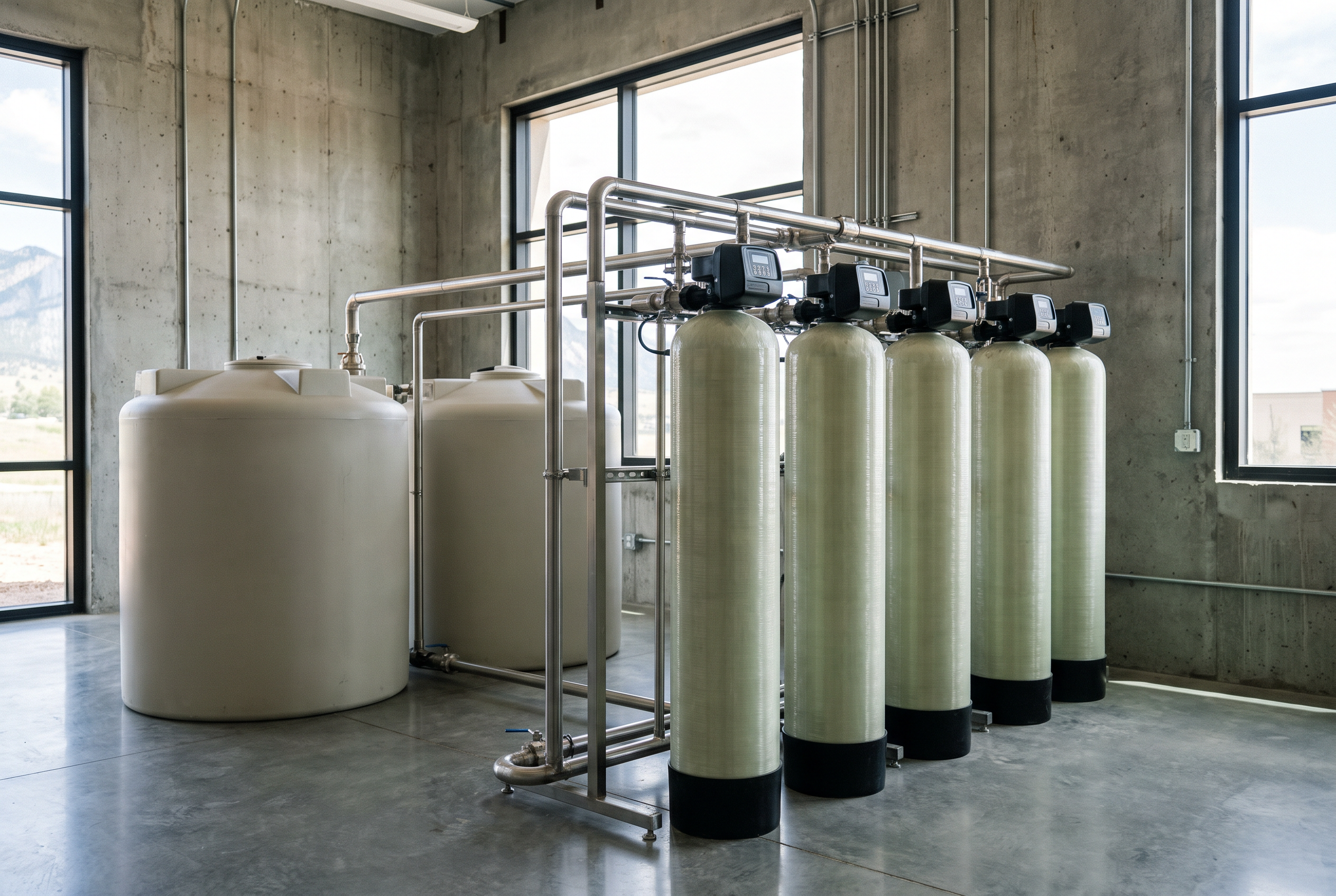
There’s no one-size-fits-all answer when it comes to treating water in this part of the state. The right system for a family home in Idaho Springs might be completely different from what a cattle operation needs out on the plains near Sterling. That’s why we start every project with comprehensive water testing — we need to know exactly what we’re dealing with before we recommend anything. For homes dealing primarily with hardness and scale buildup, we often suggest residential water softener systems paired with carbon filtration to address taste and chlorine issues. For properties with more serious contamination concerns, reverse osmosis systems can remove a wide spectrum of impurities at the point of use. Businesses and agricultural operations have different needs entirely, and we work with those clients to design solutions that handle higher volumes and specific water quality requirements. We also encourage everyone to think about water efficiency alongside purification. The EPA WaterSense water efficiency resources offer practical guidance on reducing waste, which pairs naturally with a well-designed treatment system. The goal isn’t just clean water — it’s clean water delivered efficiently and sustainably.
Why Local Expertise Makes a Real Difference
Water treatment isn’t something you want to trust to a generic online retailer or a company that doesn’t understand the region. At Water Works, we’ve built our reputation by actually being part of the communities we serve. We know the geology around Idaho Springs and how mine drainage historically affected water quality in the Clear Creek watershed. We understand the agricultural pressures on the South Platte River basin and how drought cycles concentrate contaminants in shrinking aquifers. Our technicians have logged thousands of hours testing water across Northeastern Colorado, and we’ve seen patterns that only come from doing this work year after year in the same region. That local knowledge means we can often anticipate problems before they become expensive repairs, and we can fine-tune systems to perform optimally in our specific climate and water conditions. We don’t believe in selling you more system than you need, and we don’t believe in cutting corners on the things that matter. When we install a purification system, we want it to work reliably for years, not just look good on day one.
Clean water is one of those things you don’t think about much — until something goes wrong. Whether you’re dealing with hard water spots on your dishes, a sulfur smell from your well, or just a nagging feeling that your water could be better, we’re here to help you find the right solution. At Water Works, we’ve been helping Northeastern Colorado residents and businesses get the most out of their water for years, and we’d welcome the chance to do the same for you. Give us a call at 303-248-3390 to schedule a water test or just ask questions about what you’re experiencing. We’ll give you straight answers, honest recommendations, and the kind of service that keeps our neighbors coming back.