 Residential Water Purification
Residential · Drinking water
Residential Water Purification in Colorado
Even treated municipal water in Colorado can carry lead, arsenic, nitrates, and traces of pesticides. Water purification systems in Colorado remove contaminants at the source — so the water your family drinks is safe, and tastes like it.
- Cleaner WaterReduce unwanted contaminants
- Whole HomeFilter every tap
- Daily ConfidenceWater you trust
The problem
Contaminants in Colorado Tap Water
Colorado's municipal water is treated and disinfected before it reaches your home, but the treatment process itself adds chlorine and creates disinfection byproducts. The CDPHE monitors these under the state's surface water treatment rules — but the byproducts still flow to your tap, and older homes can add lead from plumbing along the way.
- Heavy metals like lead and arsenic
- Nitrates from agricultural runoff
- Pesticides and herbicides
- Chemicals that affect taste and odor
The technology
Types of Water Purification Systems
There's no single right system. The right choice depends on what a water test finds in your supply.
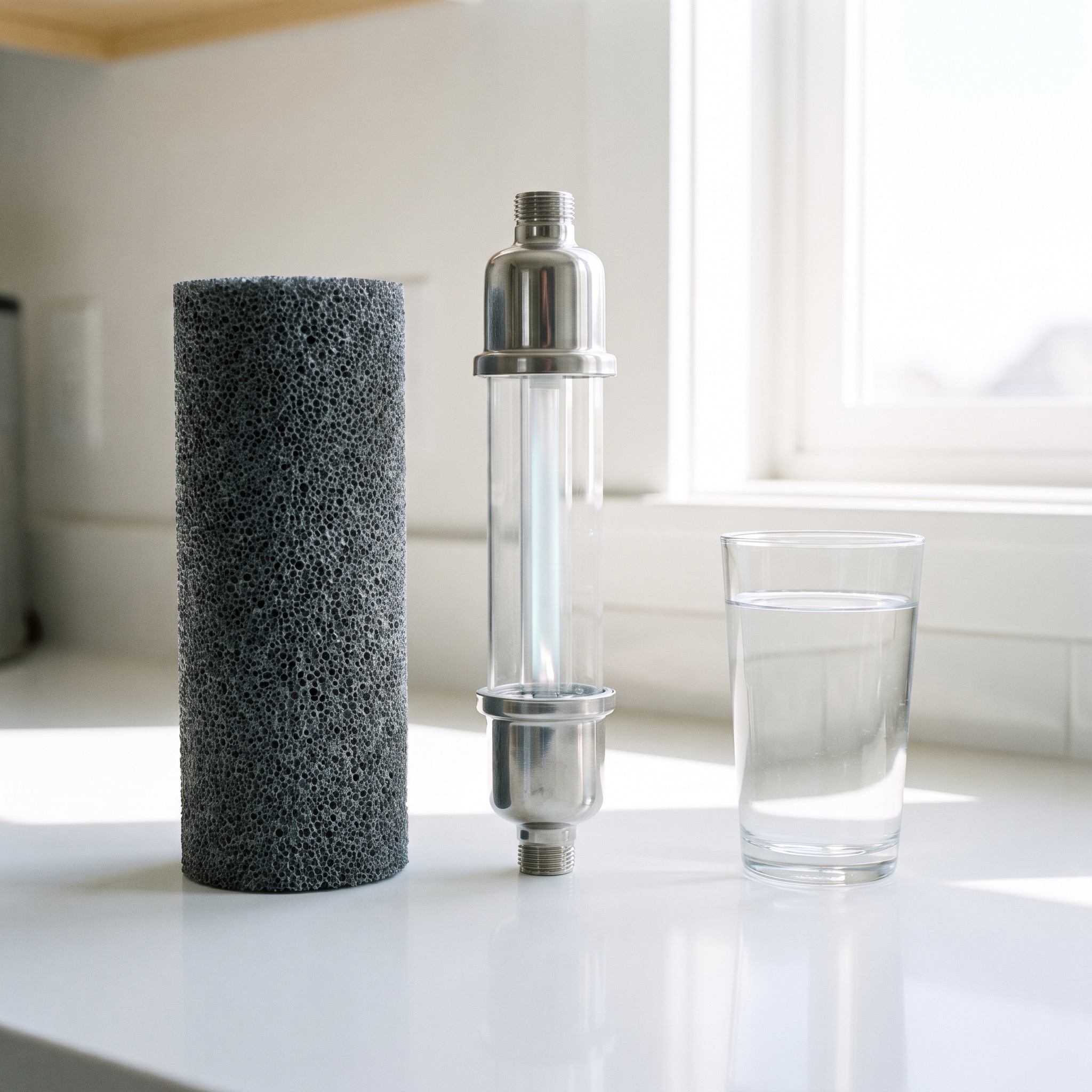
Activated carbon filters
Adsorb chlorine, pesticides, and the compounds behind bad taste and odor — often the first line of treatment.
Reverse osmosis
Forces water through a semi-permeable membrane, removing heavy metals, nitrates, and dissolved contaminants.
Explore reverse osmosisUV sterilization
Ultraviolet light neutralizes bacteria and viruses without adding any chemicals to your water.
Distillation
Boils water and condenses the steam, leaving contaminants behind — thorough, if slower than other methods.
The options
Choosing the Right Purification Technology
No single technology solves everything. Carbon handles chlorine and taste, UV kills bacteria, RO strips dissolved contaminants. Your water test determines which combination makes sense.
Why purify
Benefits of Water Purification
Contaminants removed
Purification targets what shouldn't be in your water — heavy metals, nitrates, pesticides, and other harmful chemicals.
Better taste and odor
Removing chlorine and dissolved solids makes water taste clean — no more filling pitchers or buying bottles.
Health protection
Clean drinking water at every tap protects your family from contaminants that can affect long-term health.
Long-run savings
A purification system is an upfront investment that can pay for itself against bottled water and appliance wear.
The result
What Purified Water Tastes Like
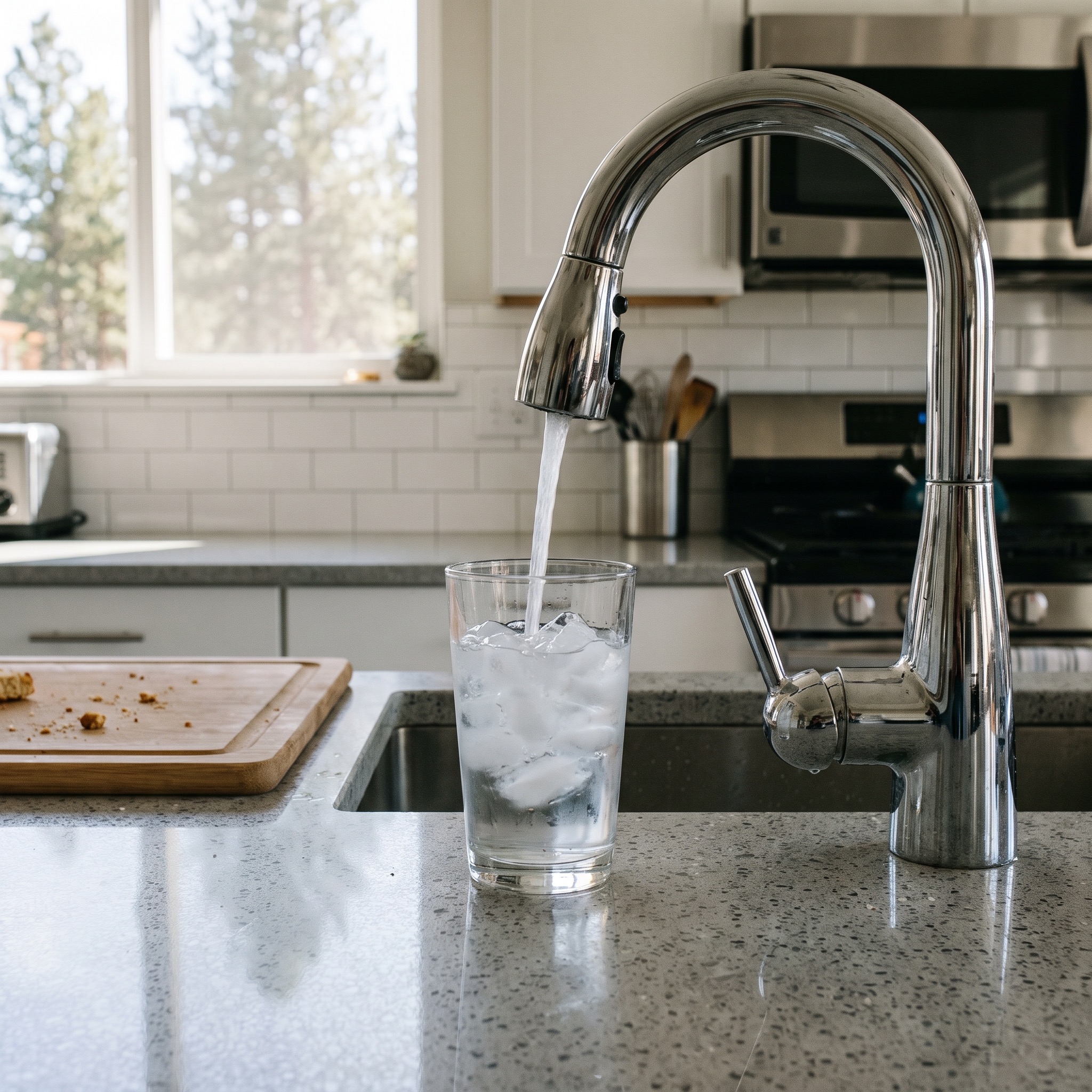
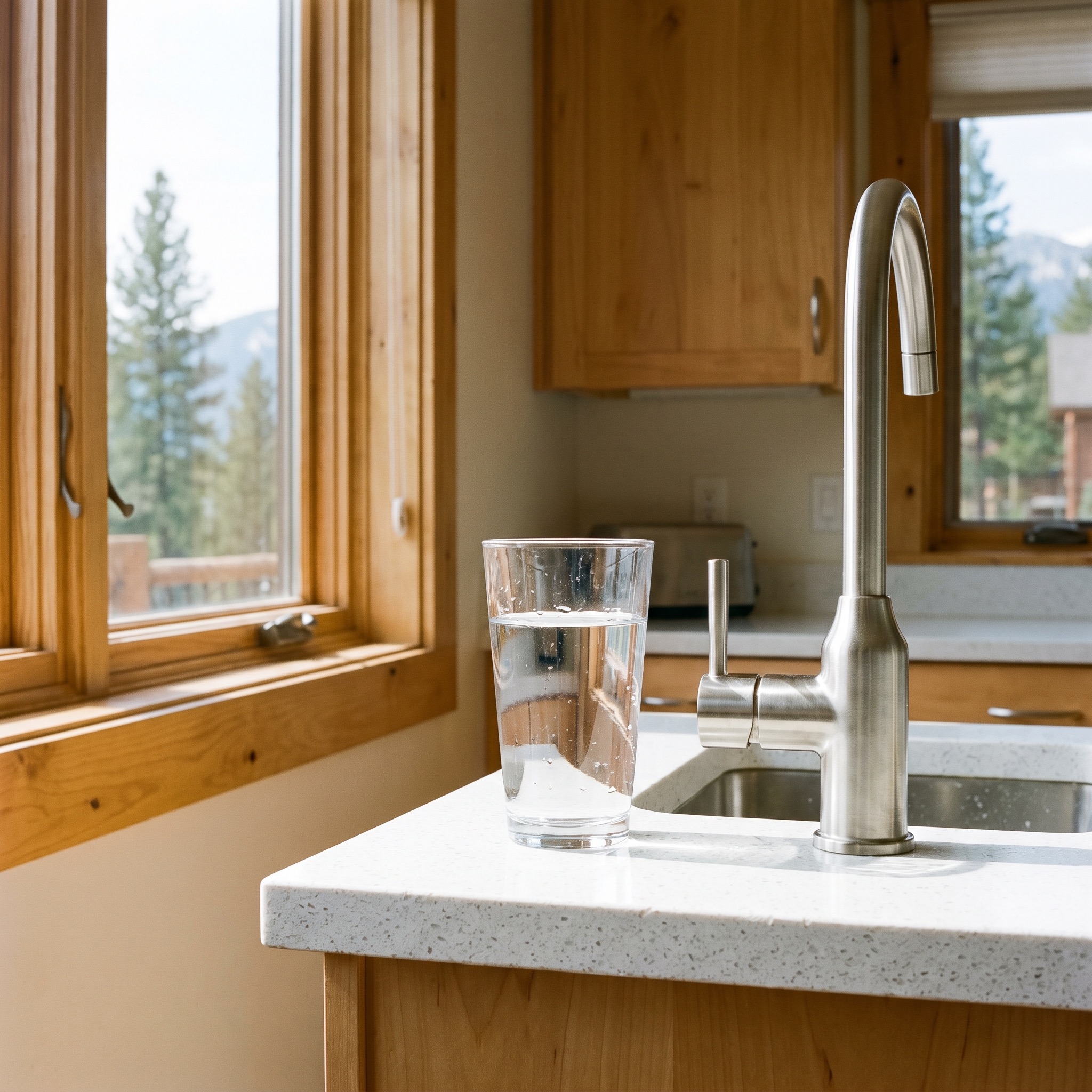
The difference is immediate. Coffee tastes like coffee, not chlorine. Ice comes out clear, not cloudy. And you stop buying bottled water — because what comes from your tap is better.
Our process
Water Purification Installation Process
From the first test to ongoing maintenance, the process is built around what's actually in your water.
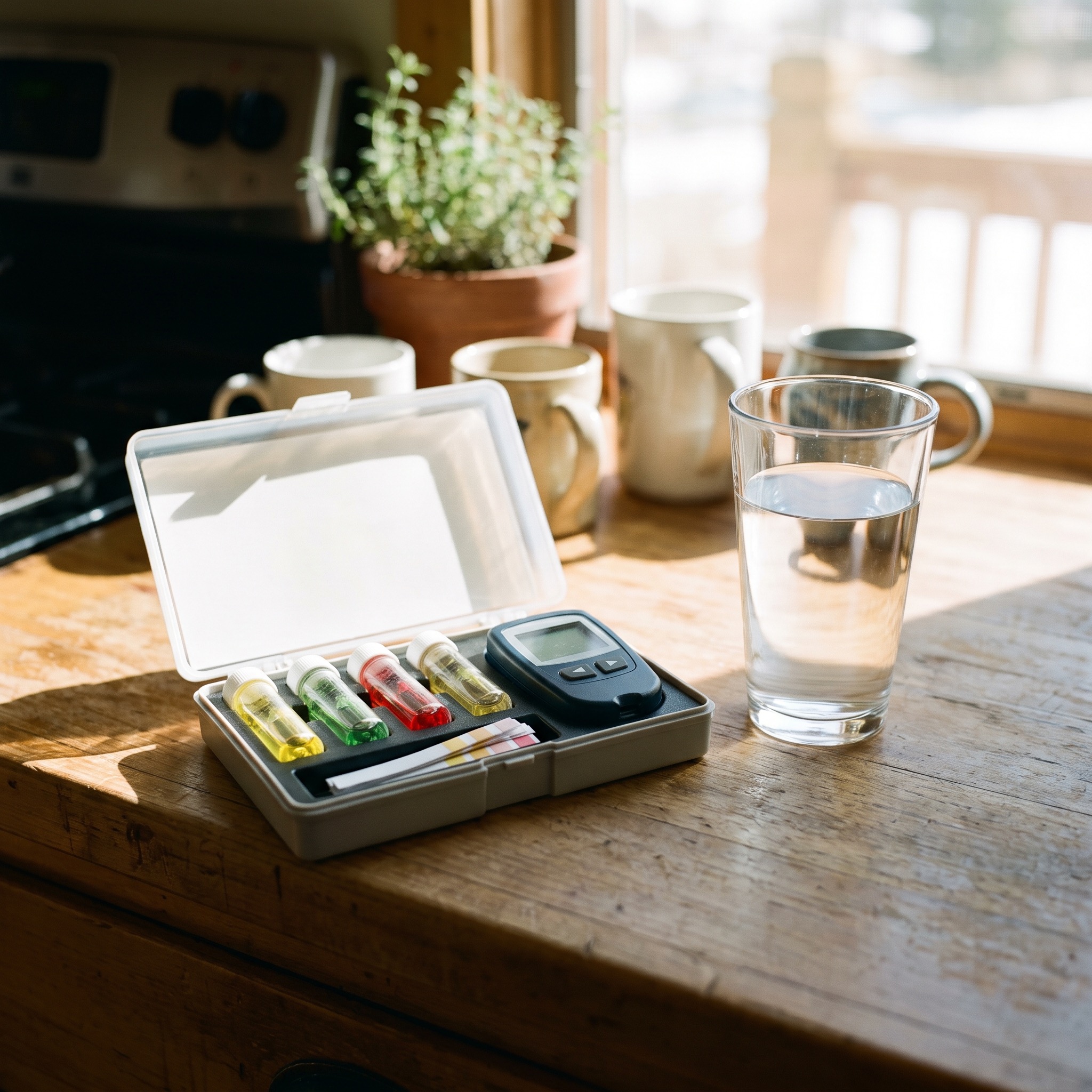
Test your water quality
We start with a water quality test, so the system we recommend targets the contaminants actually present in your supply.
Match the system to your home
Budget, household size, maintenance requirements, and energy use all factor into which purification approach fits best.
Professional installation
Our technicians install the system properly and safely, so it performs the way it was designed to from day one.
Keep it performing
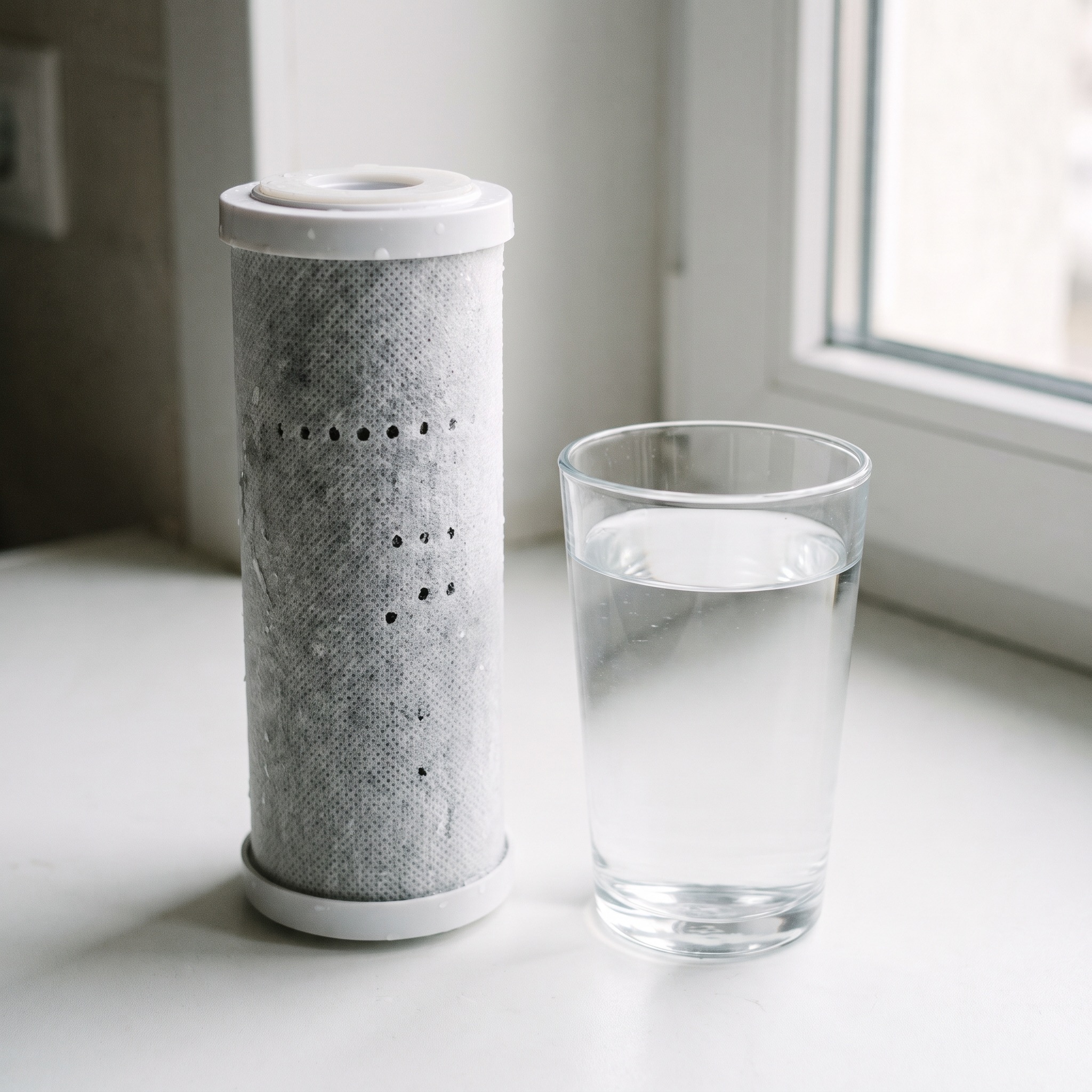
Filters are typically replaced yearly, with membrane cleaning and descaling on the manufacturer's recommended schedule.
Point of use vs whole house
Whole House vs Point-of-Use Purification
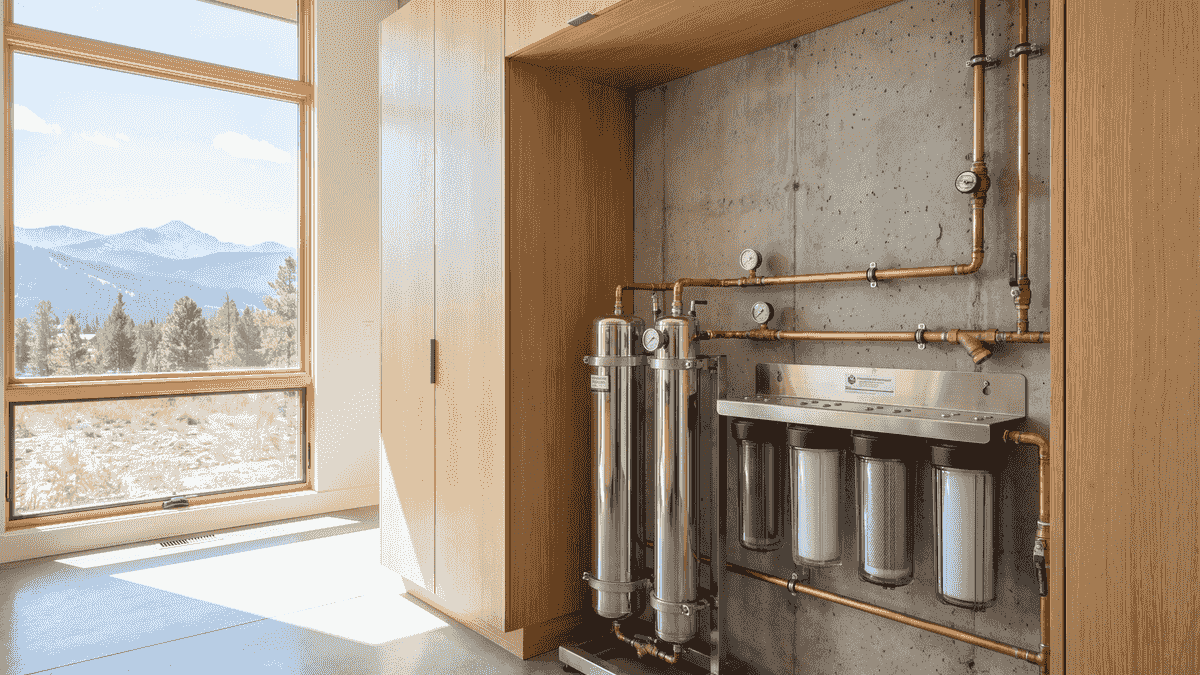
Point-of-use (POU) systems treat water at a single tap — usually the kitchen — and are the most common residential setup. They're affordable, targeted, and ideal when your concern is drinking and cooking water. Whole-house (point-of-entry, or POE) systems install at the main line and treat every tap, shower, and appliance. POE is more thorough but costs more and requires more maintenance.
For most Colorado homes, we recommend starting with a POU system at the kitchen sink — a carbon filter or reverse osmosis system handles the water you drink and cook with. If your water test shows contaminants that affect bathing, laundry, or appliances — like iron, hardness, or chlorine — we add whole-house treatment upstream.
Resources
Water Purification Spec Sheets & Equipment Data
The spec sheets below are from Hydronix, Calgon Carbon, and AXEON — among the manufacturers we work with. All have certified performance data. Download the spec sheets below to compare filter capacities, UV specs, and sizing.
- Carbon Block Filter Spec SheetHydronix carbon block filter specifications — chlorine reduction capacity, flow rates, and micron ratings.
- UV Sterilization Spec SheetHydronix UV system specifications — bacteria and virus inactivation rates, flow capacity, and lamp life.
- Activated Carbon Spec SheetCalgon Carbon Filtrasorb 400 — adsorption capacity for chlorine, VOCs, and taste/odor compounds.
- Filtration Sizing GuideAXEON water filtration range and sizing table — match the right filter to your water volume and quality.
Water Filtration FAQs
Why do I need a water filtration system?
A purification system removes contaminants from your home's water supply, improves taste and odor, protects your family's health, and can save you money over time compared with bottled water.
How do I choose the right system for my home?
Consider your water quality, budget, system size, maintenance requirements, and energy consumption. A water quality test is the best starting point — and our water treatment specialists help you match the technology to what's actually in your water.
Do I need a professional to install it?
Some systems can be installed yourself, but we generally recommend professional installation. Proper installation makes sure the system works safely and at full effectiveness — and we stand behind our work.
How often do filters need replacing?
In general, filters should be replaced at least once a year. Carbon filters typically last 6–12 months, UV lamps need annual replacement, and RO membranes last 2–5 years. We keep the replacement schedule on file and remind you when service is due.
How do I know if my system needs maintenance?
A drop in water pressure, or a strange taste or odor returning to your water, are the usual signs it's time for service. A TDS meter can also verify that a reverse osmosis system is still performing — if the reading creeps up, the membrane may need replacing.
What's the difference between water purification and water softening?
Purification removes contaminants that affect health and taste — chlorine, lead, nitrates, pesticides. Softening removes hardness minerals (calcium and magnesium) that cause scale and soap scum. Many homes need both — a softener for the whole house and a purification system for drinking water.
Does Colorado water need purification?
Colorado's municipal water is treated and disinfected before it reaches your home, but the treatment process itself adds chlorine and creates disinfection byproducts. The CDPHE monitors these under the state's surface water treatment rules — but the byproducts still flow to your tap, and older homes can add lead from plumbing along the way. A purification system gives you a final barrier.
How much does a water purification system cost in Colorado?
It depends on the technology — a point-of-use carbon filter starts around $300–$600 installed, while a reverse osmosis system runs $800–$1,800. Whole-house purification systems cost more because they treat every tap. The only honest answer comes after a water test — we'll explain exactly what you're paying for and why.
What's the difference between point-of-use and whole-house purification?
Point-of-use (POU) systems treat water at a single tap — usually the kitchen — and are the most common residential setup. Whole-house (point-of-entry, or POE) systems install at the main line and treat every tap, shower, and appliance. POU is more affordable and targeted; POE is more thorough but costs more and requires more maintenance.
What are disinfection byproducts and why should I care?
When chlorine disinfects water, it reacts with organic matter to form byproducts like trihalomethanes (TTHMs) and haloacetic acids (HAA5). The EPA regulates TTHMs at 0.080 mg/L and HAA5 at 0.060 mg/L because long-term exposure is linked to cancer risk. These compounds form in the distribution main overnight — your water utility may be in compliance, but the levels at your tap can vary. A carbon filter or RO system reduces them.
From the blog
Water Purification Articles
Water Works can be accessed at one of our four convenient locations:
Denver Metro:
Northern Colorado:
Colorado Springs Metro:
Pueblo and S Colorado:
Ready for Cleaner Water at Home?
If you have questions about residential water purification in Colorado, or would like to schedule a water quality test or system installation, talk to a water treatment specialist today.
Get a quote- Denver Metro(303) 248-3390
- Northern Colorado(970) 381-4493
- Colorado Springs Metro(719) 694-2650
- Pueblo & S Colorado(719) 836-8118