Does Southwestern Colorado Water Need Reverse Osmosis? We Break It Down
If you’ve ever wondered what’s actually in the water flowing from your tap, you’re not alone. Reverse osmosis in Southwestern Colorado has become one of the most talked-about water treatment solutions among homeowners throughout the region, and for good reason. Between the mineral-rich geology of the San Juan Mountains, aging infrastructure in some rural communities, and the unique challenges of well water in more remote areas, water quality in this part of the state varies dramatically from one property to the next. We’ve spent years helping families across the region understand their water and find the right filtration solution, and time and again, reverse osmosis proves to be one of the most effective technologies for delivering clean, great-tasting drinking water right at the kitchen sink.
Why Southwestern Colorado Water Presents Unique Challenges
The water in Southwestern Colorado tells a story of the landscape it travels through. Snowmelt from the San Juans picks up minerals as it moves through limestone, granite, and old mining districts, which means many households deal with elevated levels of hardness minerals, iron, and in some areas, trace contaminants left over from the region’s mining history. Municipal systems do a solid job meeting federal standards — you can review EPA information on drinking water quality and treatment to understand what’s required — but “meeting standards” and “tasting great” aren’t always the same thing. Well water presents its own set of variables, from naturally occurring dissolved solids to seasonal fluctuations in turbidity. We’ve seen firsthand how different the water can be between two homes just a few miles apart. That’s why we always start with a thorough water test before recommending any system. Reverse osmosis is powerful, but it works best when it’s matched to the specific profile of your water, whether you’re in Durango, Pagosa Springs, or closer to our Idaho Springs service area.
How Reverse Osmosis Actually Works
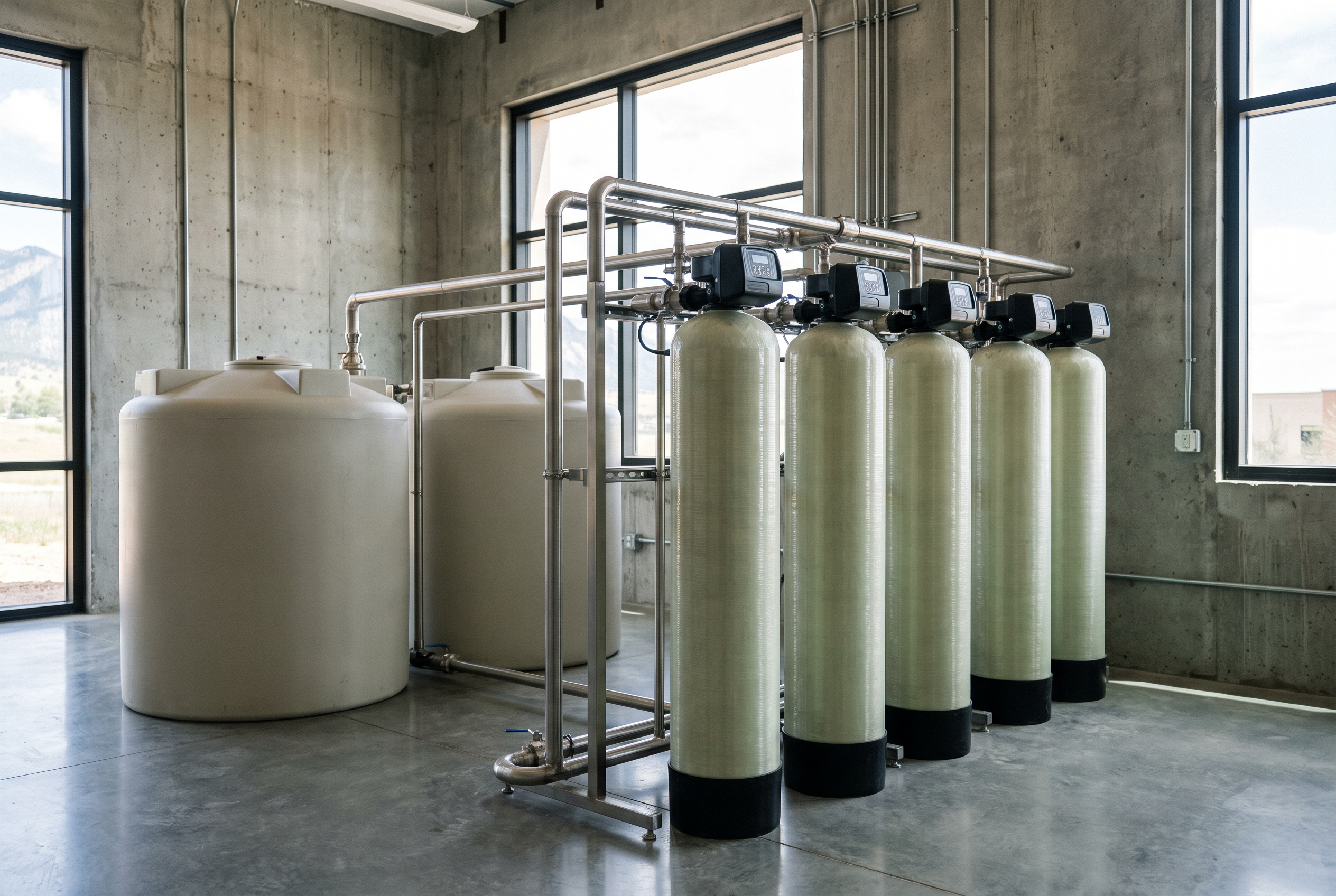
At its core, reverse osmosis is a remarkably elegant process. Water is pushed through a semipermeable membrane with pores so small that they block the vast majority of dissolved solids, heavy metals, fluoride, nitrates, and other contaminants while allowing water molecules to pass through. Most quality systems we install include multiple stages: a sediment pre-filter to catch particulates, a carbon filter to remove chlorine and organic compounds, the RO membrane itself, and a final polishing filter before the water reaches your glass. The result is water that’s dramatically cleaner than what a simple pitcher filter or faucet attachment can achieve. For context on what constitutes safe drinking water globally, the WHO drinking water quality guidelines outline the contaminants that matter most for health, and RO systems address many of them effectively. What we appreciate about RO technology is that it doesn’t just improve taste — it provides a genuine barrier against contaminants that can slip through aging pipes or treatment gaps. For households on private wells throughout Southwestern Colorado, that layer of protection offers real peace of mind.
Is a Reverse Osmosis System Right for Your Home?
We get this question constantly, and the honest answer is that it depends on your water source and your priorities. If you’re on municipal water and your main concern is taste, odor, or residual chlorine, an under-sink RO system is often the perfect fit — compact, affordable, and low-maintenance. If you’re on a well with high total dissolved solids, arsenic concerns, or heavy mineral content, we may recommend a whole-house approach or a combination of systems working together. One thing we always discuss with clients: RO systems work best when paired with appropriate pre-treatment. In our experience, many Southwestern Colorado homes with hard water benefit from pairing their RO unit with [residential water softener systems](/services/residential-water-softener systems), which protect the membrane and extend its life significantly. Hard water is arguably the single most common issue we encounter in the region, and untreated hardness will shorten the lifespan of any RO membrane. We also consider household size and water usage when sizing a system, because storage capacity matters more than most people realize. A properly matched system should feel invisible in your daily life — just clean water on demand.
Caring for Your System and Protecting Your Investment
One of the best things about modern reverse osmosis systems is how little attention they need. That said, a little maintenance goes a long way. Most pre-filters and post-filters need replacing every six to twelve months, while the RO membrane itself typically lasts two to five years depending on your water quality and usage. We recommend annual water testing to catch any changes in your source water — something especially important for well owners, and useful context is available through Colorado drinking water quality information for those on public systems. Neglecting filter changes is the number one cause of system underperformance we see, and it’s an easy problem to avoid. We help our clients throughout Southwestern Colorado and the Idaho Springs area set up simple maintenance schedules so their systems keep performing year after year. It’s also worth watching for warning signs: a slow trickle from the faucet, a change in taste, or a gurgling tank usually means something needs attention. Addressing these early keeps small issues from becoming expensive ones, and it ensures your family keeps enjoying the water quality you invested in.
Let’s Talk About Your Water
Every home’s water is different, and the best way to know whether reverse osmosis is right for yours is to start with a professional water test. At Water Works, we’ve been helping Colorado homeowners and businesses understand and improve their water for years, and we’d welcome the chance to do the same for you. Whether you’re dealing with hard water, unpleasant taste, well water concerns, or you simply want the cleanest drinking water possible for your family, our team will walk you through your options honestly — no pressure, no upselling, just straightforward expertise. If you’re curious about reverse osmosis in Southwestern Colorado or want to schedule a free water analysis, give us a call at 303-248-3390. We’re here to help you get the most out of every glass.