
Denver Metro · Well water
Well water treatment Denver
Private wells on Denver’s edges do not get Denver Water’s plant. Iron, sulfur, sediment, and hardness have to be treated in order, or the last stage fails first. Water Works tests at the well and at the house. (303) 248-3390.
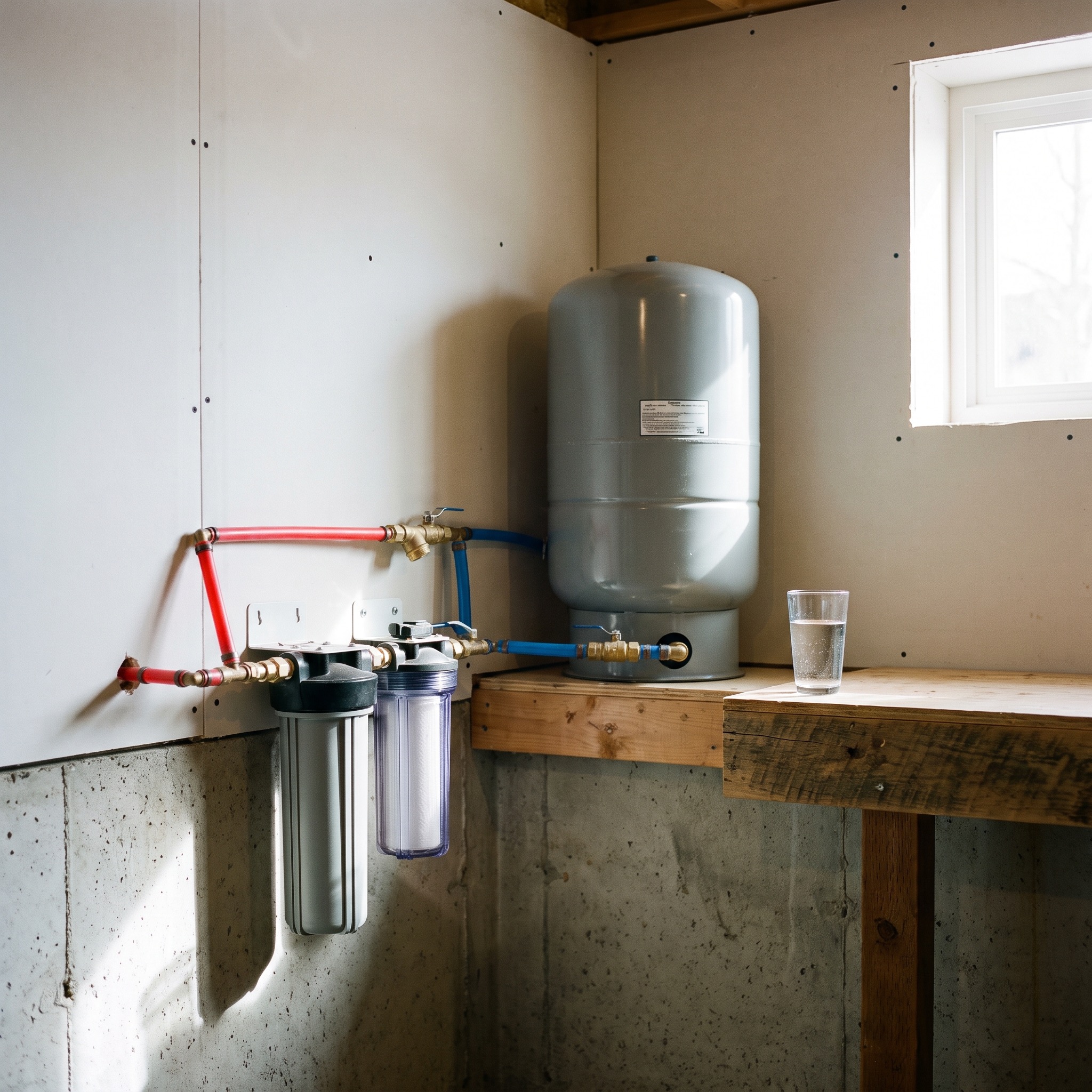
- Edge wellsAirport, industrial, and unincorporated pockets — not typical Capitol Hill taps
- Test firstIron, sulfur, sediment, and hardness in the right order
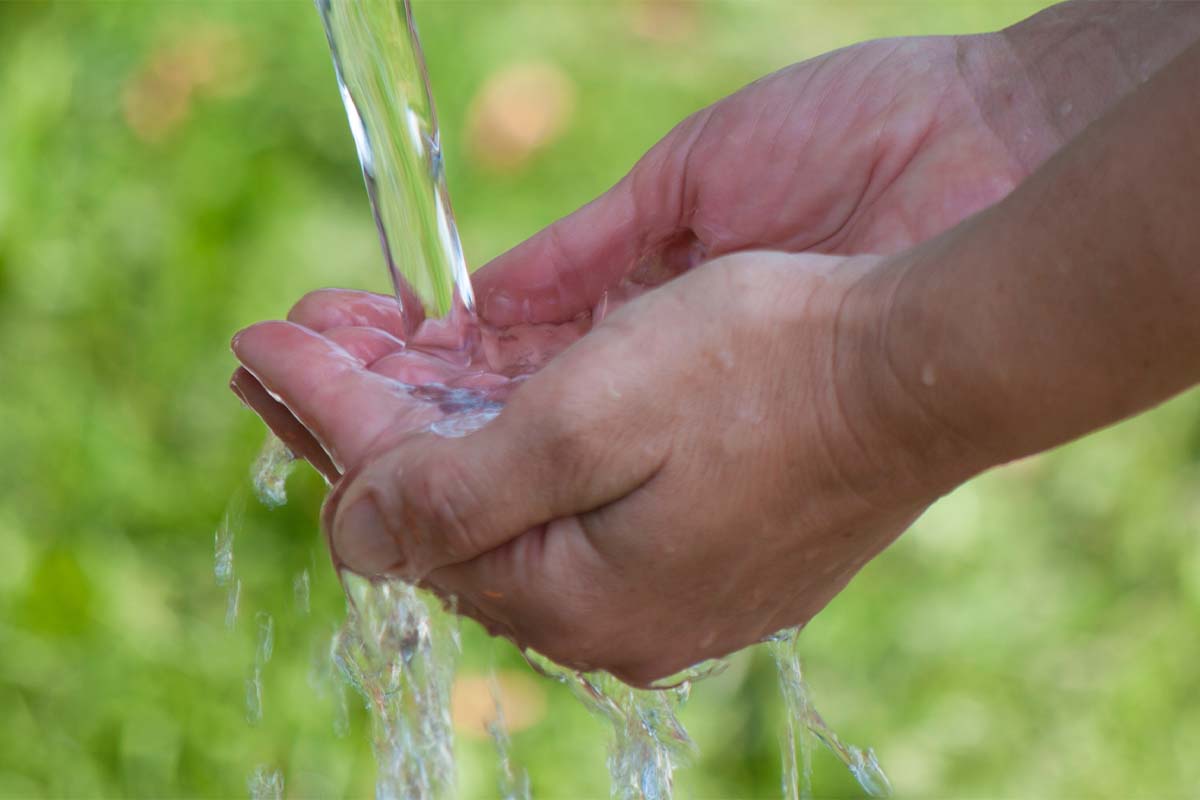
Well water is a sequence, not a single filter
Staining, odor, and grit are different problems — even when they arrive together
A well on the metro edge can be chemically nothing like the Denver Water main a mile away. Putting RO first on iron-bearing water ruins the membrane. Putting a softener first on sulfur water can turn the brine tank into a biology experiment. Order matters.
We start with an on-site test and, when needed, a lab panel. Then we build oxidation or greensand, sediment, softening, and drinking-water RO in the sequence the water requires. No named case study, no invented contaminant list for your particular well — your sample is the spec.
- Orange or black staining from iron and manganese
- Rotten-egg odor from hydrogen sulfide
- Sand, silt, and rust that chew up fixtures and membranes
- Hardness that scales heaters even after the well is “filtered”
What we install
Well treatment stages we use around Denver
Sediment and spin-down
Protects every downstream stage from sand and rust. Cheap insurance that people skip until a valve fails.
Iron, manganese, and sulfur
Oxidation, greensand, or catalytic carbon depending on dissolved vs. precipitated metals and the odor load.
Softening
Ion-exchange after metals are under control. Same outcome as city-water softening; often much higher grains.
Denver water softenersUV and drinking-water RO
Disinfection when bacteria are in play; RO for nitrates, arsenic, or a kitchen tap you actually want to drink.
Well water treatment
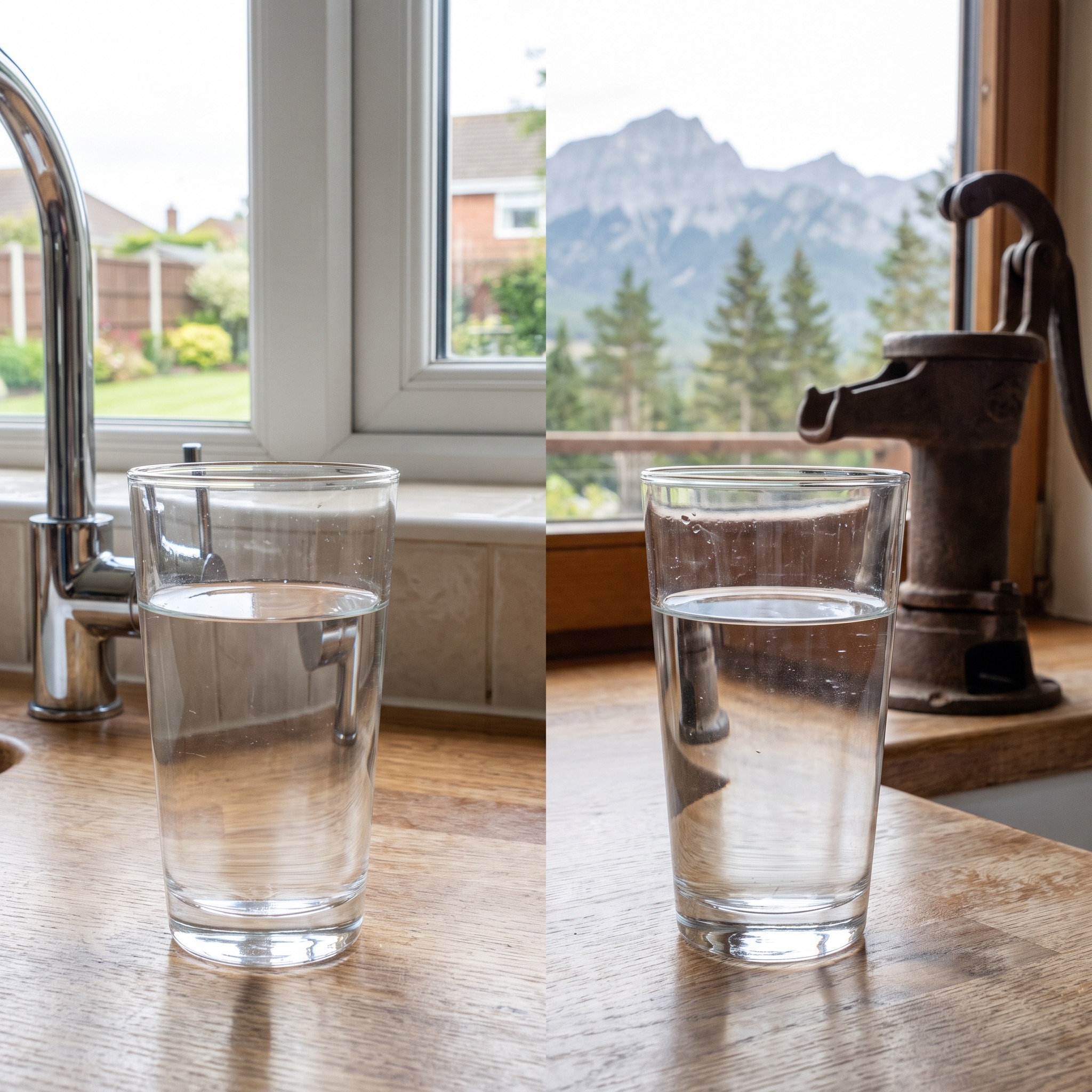
Well vs city
If you are on Denver Water, this is not your page
Most searches for “well water Denver” are actually Denver Water homes with staining from heaters. If you do not have a wellhead, go back to the hub. If you do, stay here — the playbook is different, and maintenance intervals are shorter because the source is not a treated reservoir.
- City water: chlorine, hardness, vintage plumbing — start at the Denver hub
- Well water: no plant residual, metals and bacteria are your problem
- Hybrid sites: house on a well, shop on a hydrant — we treat what you drink and wash with
Process
How we treat a Denver-area well
Well and household sample
Field tests on site. Lab work when arsenic, bacteria, or radiologicals are on the table.
Stage the train
Sediment → metals/sulfur → hardness → drinking water. Skip a stage only when the test says it is absent.
Install and prove it
Commission, then retest at the kitchen and laundry. Staining and odor should match the design intent.
Annual well checkup
Media, UV lamps, and a fresh bacteria sample. Wells change; the calendar is part of the treatment.
Denver well water questions
Are there private wells inside Denver?
Most Denver addresses are on Denver Water. Wells show up on airport, industrial, and unincorporated edges, and on acreage that sits in the metro map even when the postal city says Denver. If you have a wellhead, this page is for you — not the municipal hub copy.
What well problems are common around Denver?
Hardness, iron staining, manganese, hydrogen sulfide (rotten-egg odor), sediment after pump cycles, and — depending on the aquifer — arsenic or other dissolved minerals. The Denver Basin can also carry radiologicals that need a lab, not a hardware-store strip.
Do I still need RO if I treat iron and sulfur?
Often yes for drinking water. Iron and sulfur stages protect plumbing and odor; RO polishes the kitchen tap. See reverse osmosis in Denver for the drinking-water stage.
How often should a Denver-area well be tested?
At least annually for bacteria, nitrates, and the metals you already know about — plus after storms, pump work, or a change in taste, color, or odor. We test on-site for the field parameters we can read immediately and send lab work when the question requires it.
Free water analysis
Get a Denver-area well water test
Tell us the well location, what you see or smell, and whether the house is inside city limits or on the industrial / airport edge.
Treat the well you have — not Denver Water’s average
Free on-site analysis from the Denver Metro office at (303) 248-3390. We design around iron, sulfur, sediment, and hardness in the order your water requires.
Get a quote- Denver Metro(303) 248-3390
- Northern Colorado(970) 381-4493
- Colorado Springs Metro(719) 694-2650
- Pueblo & S Colorado(719) 836-8118