
Service area · North-metro I-25 corridor
Water treatment in Northglenn for Adams County homes
Northglenn is a compact Adams County city of roughly 40,000 between Westminster and Thornton along the I-25 corridor north of Denver. Water treatment in Northglenn deals with two profiles: treated Denver Water surface supply delivered through the city's Northglenn Water distribution system inside city limits, and private wells on the South Platte alluvial aquifer on the outer edges. The municipal supply carries the working hardness, chlorine residual, and disinfection byproducts of treated surface water; the wells run harder and more iron-bearing.

- Municipal + WellsNorthglenn Water inside city limits, private wells on the edges
- Hard + ChlorineSouth Platte surface supply, disinfection byproducts at the tap
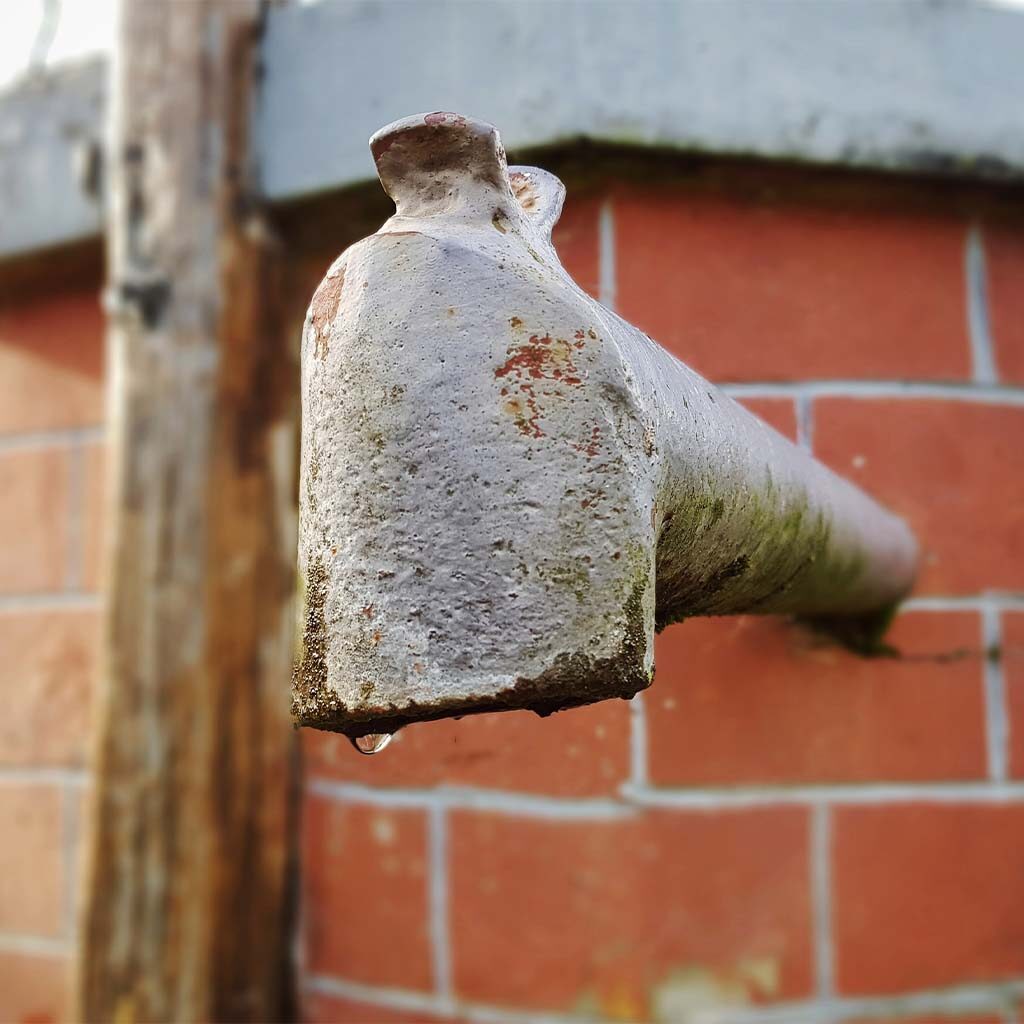
The Northglenn water story
What Northglenn Water delivers — and what your plumbing adds
Northglenn sits along the I-25 corridor just north of Thornton in Adams County. Most of the city receives treated Denver Water surface supply from the South Platte watershed, delivered through the city's own Northglenn Water distribution system and disinfected with chlorine before distribution. The city runs the Water Quality Laboratory and the Water Treatment Facility inside city limits.
Inside city limits the water carries the working hardness and chlorine residual, and older homes in the established neighborhoods — the mid-century blocks in Deza Estates, the in-fill homes in North Creek and Mod Haven — pick up a plumbing story on the way in. Lead solder in pre-1986 copper pipe and brass fixtures show up at the tap as trace metals the main never saw. The chlorine residual resting in the main overnight is where disinfection byproducts — HAA5 and trihalomethanes — come from; the EPA limits HAA5 at 0.060 mg/L and total trihalomethanes at 0.080 mg/L, and Northglenn reports both. Outside the city limits, on the edges and adjacent unincorporated parcels, homes on private wells tap the South Platte alluvial aquifer — iron and manganese staining, arsenic, nitrates from feedlot runoff, and coliform after heavy rain. Every Northglenn job starts with a real on-site test.
- Treated Denver Water surface supply through Northglenn Water — hardness high enough to scale fixtures
- Disinfection byproducts (HAA5 and trihalomethanes) from the chlorine residual
- Lead and copper pickup in homes built before 1986 — lead solder and brass fixtures
- Iron, manganese, arsenic, nitrates, and coliform on private wells on the city's edges
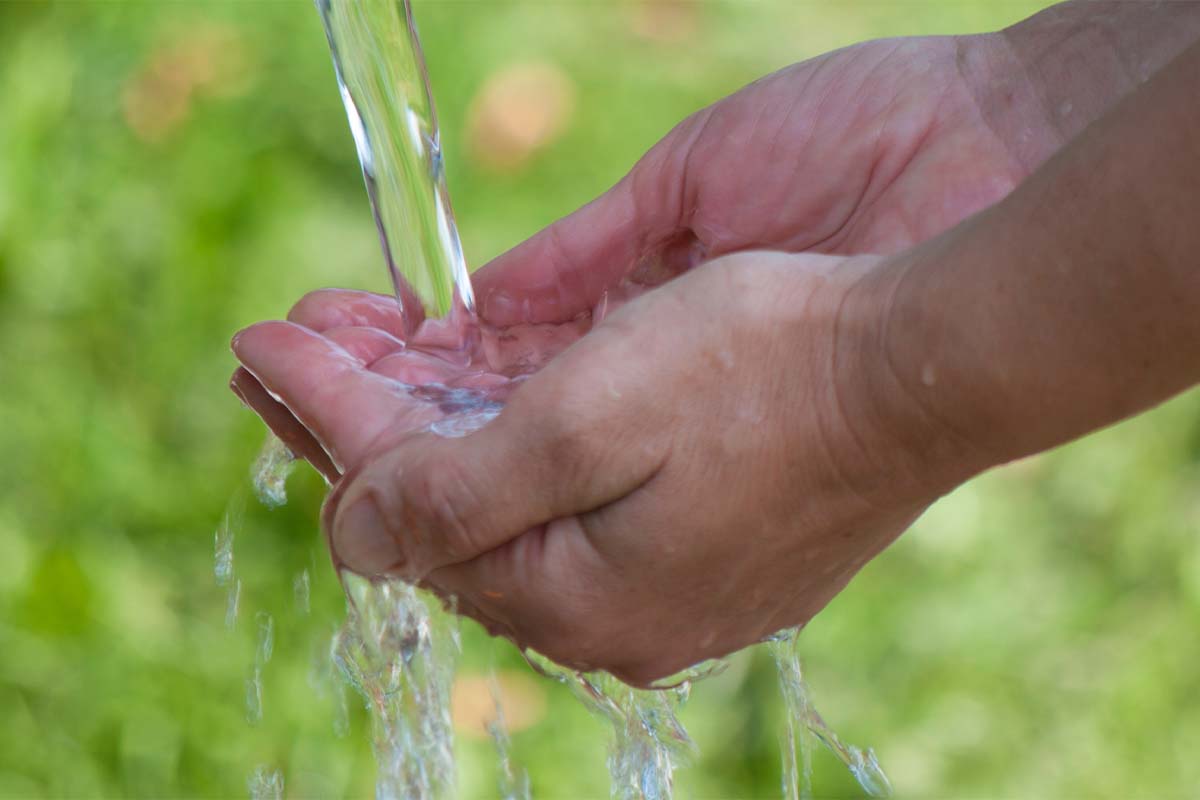
What we install in Northglenn homes
Water treatment in Northglenn — softeners, RO, and whole-house filtration for north-metro homes
Most Northglenn homes on the city supply land on water purification, softening, and filtration sized to what the tap actually delivers — not a catalog guess. A residential water softener handles the working hardness and protects appliances, a reverse osmosis unit under the kitchen sink pulls disinfection byproducts, trace metals, and residual lead down to drinking-water levels at the tap your family drinks from, and a whole house water filter catches particulate and the chlorine side. Older homes with lead solder concerns often pair it with a point-of-use lead-certified filter at the kitchen tap.
For Northglenn homes on private wells on the city's edges, well water treatment follows a similar shape but different details. Wells with iron and manganese staining need an oxidation filter or greensand stage ahead of the softener, arsenic adds an anion-exchange or specialized media stage, and shallow wells with coliform risk pair the system with a UV stage. Under-sink water filters at the kitchen cover nitrates and residual metals. Where a homeowner wants scale control without sodium exchange, salt-free water conditioners are the alternative. We verify at every tap and retest after spring runoff or any work on the well, pump, plumbing, or fixtures.
- Complimentary on-site water test
- Water softeners sized to Northglenn Water hardness and edge well water
- Reverse osmosis for drinking-water taps (city and well)
- Carbon for chlorine taste, odor, and disinfection byproducts
- Iron, manganese, and arsenic filtration for edge well water
- UV disinfection for coliform risk on shallow edge wells
- Annual testing and ongoing service

Coverage across the north-metro corridor
Service routes along the I-25 corridor from the Denver Metro office
Reaching Northglenn from the Denver Metro office is a quick run north on I-25 — close enough that an in-town address or an edge well home is a routine day, not a special trip. Our techs arrive in Northglenn as a normal scheduled stop. That matters: most of the homes on the city's edges and adjacent unincorporated parcels are on private wells on the South Platte alluvial aquifer that nobody but us is testing.
Coverage out of the Denver Metro office runs the I-25 corridor north through Adams County into Westminster and Thornton, with Northglenn a natural scheduled stop; northwest toward Broomfield along I-25 and US-36, and east toward Commerce City and the South Platte bottomlands. We keep every install on an annual testing cycle to catch a profile shift before it reaches your tap — including water filtration maintenance and PFAS removal consultations. The EPA set enforceable limits of 4.0 ppt for PFOA and PFOS in April 2024, and Colorado has documented contamination in areas with industrial or firefighting-foam history.
- Denver Metro office — I-25 corridor through Westminster, Thornton, and Northglenn
- Scheduled routes to Westminster, Thornton, Broomfield, and Commerce City
- On-site well testing, softener installs, and RO work on edge homes
- Annual testing programs across the north-metro corridor
Water treatment in Northglenn — questions we hear
Is the tap water in Northglenn safe to drink?
Northglenn's tap water is supplied by the city's own Northglenn Water distribution system, which delivers treated Denver Water surface supply from the South Platte watershed. The water is disinfected with chlorine before it reaches your tap, and the city runs the Water Quality Laboratory and the Water Treatment Facility inside city limits. What leaves the plant and what pours from your faucet are two different stories: the tap inside city limits still carries working hardness high enough to scale fixtures, chlorine residual, and disinfection byproducts that build where the chlorine residual rests in the main overnight. On the city's outer edges, a small share of homes draw from private wells on the South Platte alluvial aquifer — harder and more iron-bearing after heavy rain. A tap-side test at your address is the only honest read on what your faucet delivers.
Which contaminants show up most in Northglenn water?
On the municipal side, the city tests for and reports haloacetic acids (HAA5) and trihalomethanes — disinfection byproducts of the chlorine residual — plus chromium and lead (typically from lead solder and brass fixtures in pre-1986 homes). Hard water, chlorine residual, and chlorine taste top the everyday list inside city limits. On the private wells on the city's edges, the list leans toward iron and manganese staining, occasional arsenic, nitrates from fertilizer and feedlot runoff upgradient of the wellhead, and coliform after heavy rain or spring runoff. A tap-side test covers the municipal and well cases together.
How often should Northglenn water be tested?
For homes on the city supply, test once a year for hardness, chlorine residual, pH, total dissolved solids, lead and copper (especially in pre-1986 homes), and any disinfection byproducts you want confirmed against the city's number. For homes on a private well on the city's edges, test annually for coliform bacteria, nitrates, iron, manganese, and arsenic — the South Platte alluvial material can carry it. Test again after any major storm or spring runoff pulse, after work on the well, pump, or plumbing, and after remodeling in a pre-1980 home where you've disturbed solder or pipe joints. Once a year is the bare minimum; the wells on the city's edges reward consistency.
Does a Northglenn home actually need a water softener?
Most do. The treated surface supply delivered through Northglenn Water averages about 118.0 mg/L (6.9 gpg) — moderately hard on the USGS scale, and notably harder than most of the Denver Metro. Inside many homes the working hardness climbs above that because of mineral pickup in older copper service lines. The minerals appear as chalky scale on faucets and shower glass, white film on glassware, and wear on water heaters, dishwashers, washing machines, and ice makers; on private wells on the city's edges, the hardness often runs far higher than the municipal average. A properly sized ion-exchange softener removes the calcium and magnesium that drive the damage. Salt-free conditioners help with scale but do not pull the hardness minerals out.
Do you service homes outside Northglenn?
Yes. Our Denver Metro office at (303) 248-3390 covers Northglenn and the surrounding north-metro communities along the I-25 corridor — Westminster, Thornton, Broomfield, and Commerce City — with techs running scheduled routes year-round. On-site testing, softener and reverse osmosis installs, and filtration work on homes with private wells on the city's edges are routine for that crew. Statewide dispatch out of our four regional offices covers the rest of the Denver Metro region and beyond, with our Denver Metro office as the day-to-day dispatcher for the north-metro I-25 corridor.
Book your Northglenn on-site water test
Your Northglenn tap deserves an honest read — Northglenn Water inside city limits, an edge home on a private well on the South Platte alluvial aquifer, or an older in-fill home in Deza Estates or North Creek with pre-1986 plumbing. We test on-site, walk you through the results, and design a treatment system around your source. Schedule with our Denver Metro office at (303) 248-3390 for fast coverage across Northglenn and the north-metro I-25 corridor.
Get a quote- Denver Metro(303) 248-3390
- Northern Colorado(970) 381-4493
- Colorado Springs Metro(719) 694-2650
- Pueblo & S Colorado(719) 836-8118