 Commercial Water Purification
Service area · Inner-ring east Denver Metro
Water treatment in Aurora for Denver Metro homes
Water treatment in Aurora starts with understanding the supply. Aurora is Colorado's third-largest city — 390,000 residents along the I-70 and E-470 corridors on the east side of the Denver Metro. Water comes from Aurora Water — 95% surface water from the South Platte alluvial aquifer plus Denver Water augmentation, treated at three plants with the highest Partnership for Safe Water designation. On the outer eastern reaches near the Adams / Arapahoe county line, homes draw from private wells — harder, more iron-bearing.

- Aurora Water + WellsMunicipal supply inside city limits, wells on the outer eastern reaches
- Hard + ChlorineHardness, HAA5, trihalomethanes, lead in pre-1986 plumbing
The Denver Metro east-side water story
What Aurora Water delivers to your tap — and what picks up along the way
The city's water is Aurora Water — about 95% surface water from the South Platte alluvial aquifer plus Denver Water augmentation, treated and disinfected before it reaches the tap. Aurora operates three water treatment plants at the highest Partnership for Safe Water designation and runs the Prairie Waters potable reuse system.
What reaches the tap inside city limits still carries the working hardness and chlorine residual of any treated surface water. Chlorine residual sitting in the main overnight generates haloacetic acids (HAA5) and trihalomethanes — the EPA limits HAA5 at 0.060 mg/L and total trihalomethanes at 0.080 mg/L, and Aurora Water reports both in its annual water-quality report. Naturally occurring radium and arsenic are the contaminants most homeowners ask about. On the outer eastern reaches near the Adams / Arapahoe county line, homes drop to private wells tapping the South Platte alluvial material — harder, iron-bearing, more likely to carry nitrates where irrigated cropland sits upgradient. The older neighborhoods — Aurora Hills, City Center North, Morris Heights — add a plumbing story on top, which the next section covers.
- Aurora Water — 95% surface water from the South Platte plus Denver Water augmentation
- Three treatment plants, highest Partnership for Safe Water designation, Prairie Waters reuse
- Hardness, chlorine residual, HAA5 and trihalomethanes at the tap
- Lead and copper from pre-1986 plumbing — galvanized lines, lead solder, brass fixtures
- Iron and manganese on the well edges near the Adams / Arapahoe county line
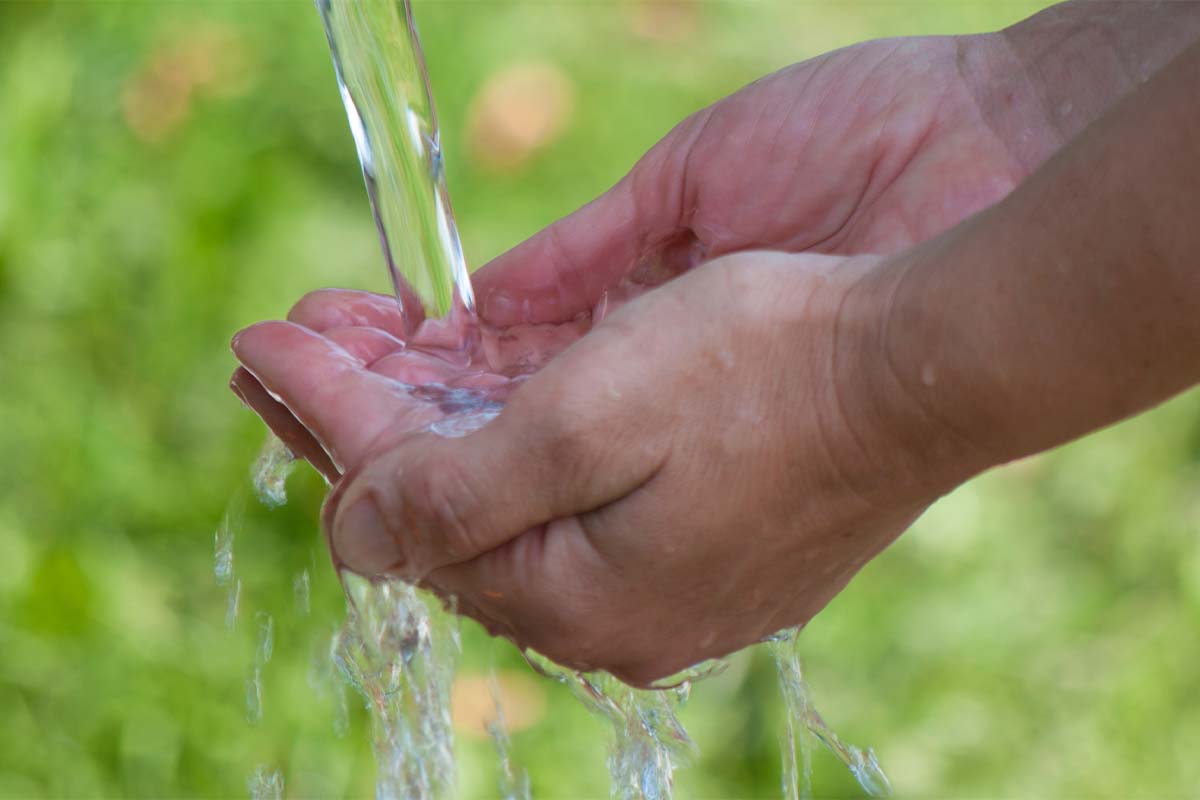
Aurora water treatment services
Water softeners, reverse osmosis, and whole-house filtration for Aurora homes
Because Aurora's distribution system runs across such a large geographic footprint, the water at your tap depends on where you sit in the system. Homes near the plant get one profile; homes out toward the E-470 corridor get another — more time for disinfection byproducts to form in the main overnight, and a stronger case for reverse osmosis at the kitchen tap. A water softener sized to a city average doesn't always fit what's actually coming out of your faucet, which is why every install starts with a test at your address, not a catalog page.
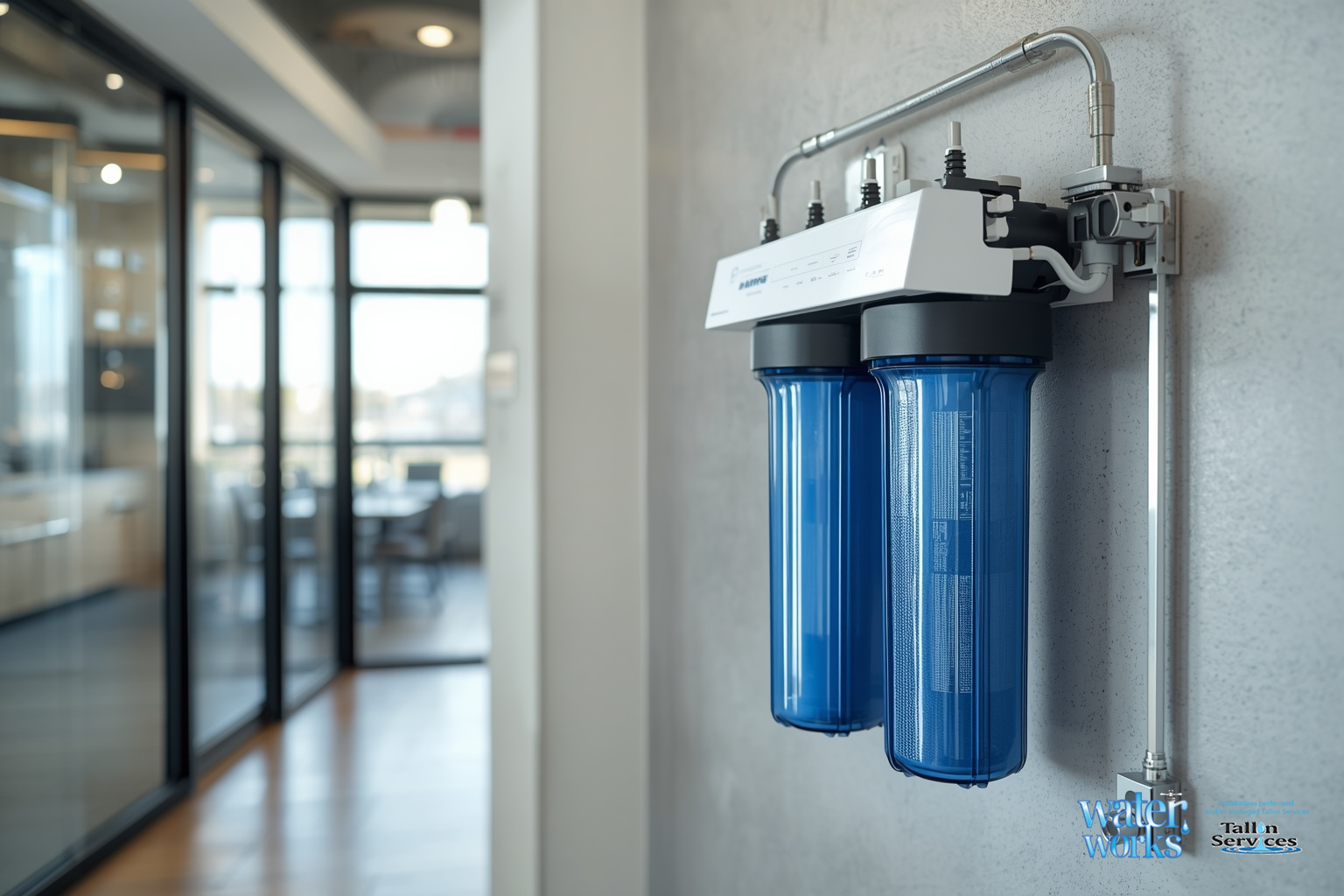
The plumbing story in the older neighborhoods calls for a different layer. In Aurora Hills, City Center North, and Morris Heights, a whole house water filter at the point of entry catches the particulate and chlorine side, and a point-of-use lead-certified filter at the kitchen sink is the stopgap for the metals the service lines and pre-1986 solder contribute — until the old plumbing gets replaced. Out on the eastern reaches where the wells take over, the treatment shifts again: a larger softener for the higher hardness, an oxidation or greensand stage for iron and manganese, anion-exchange for arsenic where the rock delivers it, UV for coliform on shallow completions, and salt-free water conditioners where a homeowner wants scale control without sodium exchange. We install, verify at every tap, and return annually — well water shifts with spring runoff, and what tested clean in May can move by October.
- No-cost on-site water testing
- Water softeners sized to Aurora Water hardness
- Reverse osmosis for drinking-water taps
- Carbon filtration for chlorine and disinfection byproducts
- Iron, manganese, and arsenic filtration for outer-well properties

Coverage across Denver Metro's east side
Service routes into Aurora along the I-70 / I-225 / E-470 corridors
Getting to Aurora from the Denver Metro office is a straight shot east on I-70 — a routine run. Coverage runs the inner-ring east side plus the outer-lying acreage toward Bennett and Watkins. On-site testing, softener installs, and RO work on the older in-town homes with pre-1986 plumbing are routine for that crew. We keep every install on an annual testing cycle — including water filtration maintenance and PFAS removal consultations. The EPA set enforceable limits of 4.0 ppt for PFOA and PFOS in April 2024, and Colorado has documented contamination in areas with industrial or firefighting-foam history.
- Denver Metro office — I-70 east into Aurora, I-225 and E-470 routes
- Scheduled routes through Aurora Hills, City Center North, Morris Heights
- On-site testing, softener installs, and RO work in older homes
- Filtration work on outer-well acreage east of the city limits
Aurora water — what homeowners ask us
Is Aurora's tap water safe to drink?
Aurora's tap water is supplied by Aurora Water, which operates and treats every drinking-water system in the city. About 95% of the supply is surface water from the South Platte alluvial aquifer plus Denver Water augmentation. Aurora operates three water treatment plants that hold the highest Partnership for Safe Water designation and runs the Prairie Waters potable reuse system. What leaves the plant and what reaches your faucet are two different stories, though — the tap inside city limits still has chlorine residual and disinfection byproducts on board, and older homes in the historic neighborhoods often have galvanized service lines or lead solder that pick up trace metals between the main and the faucet. A real on-site test at your address is the only way to know what your tap delivers.
What contaminants are most common in Aurora water?
Aurora Water publishes a long list in its annual report — arsenic, chlorite, chromium, haloacetic acids, radiological contaminants (including radium), fluoride, bromodichloromethane, and total trihalomethanes. The chlorine residual sitting in the distribution main overnight generates HAA5 and trihalomethanes, which is why a carbon stage ahead of the drinking-water tap matters. In the older in-town neighborhoods — Aurora Hills, City Center North, Morris Heights — the everyday concern is plumbing-side: galvanized service lines in pre-1990 homes, lead supply lines in historic City Center North, and trace lead and copper pickup at the tap inside any pre-1986 house. Testing at your address sorts out which are actually present.
How often should I test my water in Aurora?
For homes on the Aurora Water supply, test at least once a year for hardness, chlorine residual, pH, total dissolved solids, lead and copper (especially if your home was built before 1986), and the disinfection byproducts you want kept down. For homes on a private well on the outer reaches, test annually for coliform bacteria, nitrates, iron, and manganese. Test again after a major storm or snowmelt pulse, after work on the well, pump, or plumbing, and after remodeling in a pre-1980 home where you have disturbed solder or galvanized pipe. Once a year is the minimum — more often if your source or plumbing changes.
Do Aurora homes really need a water softener?
Most do. Aurora Water's finished supply comes out of the plant with measurable hardness — about 99.9 mg/L (5.8 gpg), which is moderately hard on the USGS scale. Inside many homes the working hardness climbs above that because of mineral pickup in the older service lines and the long distribution runs to the outer neighborhoods. You'll see it as scale on faucets and shower glass, spotting on glassware, and wear on water heaters, dishwashers, washing machines, and ice makers. On the outer-lying acreage and farm reaches where homes run on private wells, the working hardness is well above the in-city average. A properly sized ion-exchange water softener for your Aurora home removes the calcium and magnesium that drive the damage.
Can you service my home outside of Aurora?
Yes. Our Denver Metro office at (303) 248-3390 covers Aurora and the surrounding inner-ring east communities, with service techs running scheduled routes across the I-70 / I-225 / E-470 corridors year-round. On-site testing, softener and reverse osmosis installs, and filtration work on the older in-town homes with galvanized pipe or pre-1986 plumbing, plus the outer eastern acreage reaches with private wells, are routine for that crew. Statewide dispatch out of our four regional offices covers anything further out, including homes near Bennett and Watkins on the far eastern edge.
Is reverse osmosis in Aurora worth it for drinking water?
For most Aurora homes, yes. Aurora Water meets federal and state standards at the plant, but chlorine residual, disinfection byproducts, trace metals from older plumbing, and naturally occurring radium are all still present at the tap to some degree. A reverse osmosis system in your Aurora home pulls those down to drinking-water levels at the one tap your family drinks from. An under-sink RO unit with a carbon stage ahead of the membrane is the standard setup for Aurora Water supply homes. For outer-well properties, RO also handles nitrates and any arsenic the well delivers.
Free water testing in Aurora — schedule today
Your Aurora water deserves a real test — Aurora Water tap in town, a pre-1986 home with older plumbing, or an outer-lying acreage property on a private well near the Adams / Arapahoe county line. We test on-site and design a treatment system around your source. Schedule with our Denver Metro office at (303) 248-3390 for coverage across Aurora and the inner-ring east communities along the I-70 / I-225 / E-470 corridors, with statewide dispatch for anything further out.
Get a quote- Denver Metro(303) 248-3390
- Northern Colorado(970) 381-4493
- Colorado Springs Metro(719) 694-2650
- Pueblo & S Colorado(719) 836-8118
From the blog